

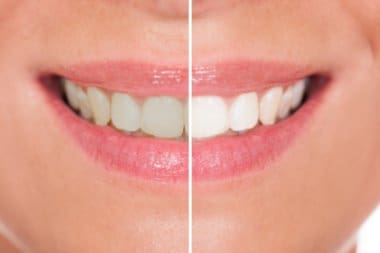
Are you curious about teeth whitening for stained teeth and how to achieve a brighter smile safely and effectively? Teeth whitening for stained teeth can enhance your appearance by removing discoloration, and understanding the process ensures you maintain oral health while achieving desired results.
Teeth whitening for stained teeth
Understanding the causes of teeth staining is crucial for anyone considering teeth whitening for stained teeth. Stains can result from various factors, including dietary habits, lifestyle choices, and even certain medications. Foods and beverages like coffee, tea, red wine, and berries are common culprits that can lead to discoloration over time. Additionally, habits such as smoking or using tobacco products can significantly contribute to the yellowing of teeth. Understanding these causes can help individuals make informed decisions about maintaining a brighter smile.
Environmental factors and aging also play a role in teeth staining. As we age, the enamel on our teeth naturally wears down, revealing the yellowish dentin beneath. This process can be exacerbated by poor oral hygiene practices, which allow plaque and tartar to build up, further dulling the appearance of teeth. For those looking to enhance their smile, exploring options like Affordable Teeth Whitening Near Me: A Whiter Smile Without the High Cost can be a valuable step towards achieving a more radiant appearance.
Teeth Whitening for Stained Teeth
Natural enamel plays a crucial role in the appearance of your teeth, as it is the outermost layer that gives your smile its natural shine. Over time, various factors can lead to the staining of this enamel, making teeth whitening for stained teeth a popular choice for those looking to restore their smile’s brightness. The process of whitening focuses on removing these stains while preserving the integrity of the natural enamel, ensuring that your teeth remain healthy and strong.
When considering teeth whitening for stained teeth, it’s important to understand how natural enamel interacts with whitening agents. The goal is to achieve a brighter smile without compromising the enamel’s protective qualities. For those interested in exploring professional options, you can learn more about Teeth Whitening Services Bradenton to discover how experts approach the process of enhancing your smile safely and effectively.
Professional Whitening Techniques Overview
Professional whitening techniques are designed to address stained teeth with precision and care, utilizing advanced methods to achieve a brighter smile. These techniques often involve the use of specialized equipment and formulations that are applied by dental professionals in a controlled environment. The process typically begins with an assessment of the individual’s dental health to determine the most suitable approach. By focusing on safety and effectiveness, professional whitening techniques aim to deliver noticeable results while minimizing potential risks associated with tooth sensitivity or enamel damage.
Common Whitening Myths Debunked
When it comes to teeth whitening for stained teeth, several myths can cloud your understanding of the process. One common misconception is that whitening damages your enamel, but this is not necessarily true when done correctly. Another myth is that all whitening methods deliver instant results, which can lead to unrealistic expectations. Additionally, some believe that once you whiten your teeth, they will stay bright forever, ignoring the need for maintenance. It’s important to separate fact from fiction to ensure a safe and effective approach to achieving a brighter smile. For more information on maintaining oral health, visit Naidu Dental, your trusted Bradenton Dentist.
The Science Behind Teeth Whitening
Teeth whitening for stained teeth involves a chemical process that targets discoloration on the enamel and dentin layers of the teeth. The primary agents used in this process are typically hydrogen peroxide or carbamide peroxide, which penetrate the tooth surface to break down the molecules causing stains. This reaction effectively lightens the color of the teeth, resulting in a brighter smile. The science behind this method ensures that the structural integrity of the teeth remains intact while achieving noticeable results.
Long-term Effects of Whitening
Teeth whitening for stained teeth can lead to various long-term effects that individuals should consider. While the immediate results often include a brighter smile, it’s important to be aware that repeated whitening procedures may affect tooth enamel over time. Some individuals might experience increased tooth sensitivity or changes in the texture of their teeth. Additionally, the longevity of the whitening results can vary based on dietary habits and oral hygiene practices. Understanding these potential outcomes is crucial for anyone considering teeth whitening for stained teeth.
Comparing Whitening Methods
When it comes to teeth whitening for stained teeth, there are various methods available that cater to different needs and preferences. Some approaches focus on removing surface stains, while others aim to lighten the intrinsic color of the teeth. The effectiveness of these methods can vary based on the severity of the staining and the individual’s dental health. It’s important to understand the differences between these techniques to make an informed decision about which might be suitable for achieving a brighter smile.
Sensitivity and Whitening: A Connection
Teeth whitening for stained teeth often raises concerns about sensitivity, a common experience for many individuals undergoing the process. The connection between whitening treatments and increased sensitivity is due to the temporary exposure of dentin, the layer beneath the enamel, which can occur during the whitening process. This exposure can lead to heightened sensitivity to temperature changes and certain foods. Understanding this connection is crucial for those considering teeth whitening for stained teeth, as it highlights the importance of being aware of potential temporary discomfort while pursuing a brighter smile.
Maintaining a Bright Smile
Maintaining a bright smile after teeth whitening for stained teeth involves a commitment to regular oral hygiene practices. Consistent brushing and flossing can help preserve the results of your teeth whitening for stained teeth, ensuring your smile remains vibrant. Regular dental check-ups also play a crucial role in maintaining oral health and the longevity of your brightened smile.
Conclusion
For a brighter smile and more information on teeth whitening for stained teeth, call us at (941) 761-9603 or check out our Google Maps reviews.
