

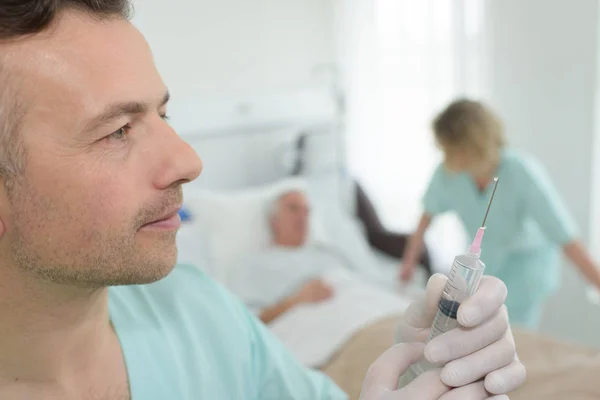
How safe is dental sedation in today’s world, and what are the modern safety standards that ensure its efficacy? Dental sedation is generally considered safe when administered by trained professionals, as it adheres to strict guidelines and protocols designed to minimize risks and enhance patient comfort.
How Safe Is Dental Sedation?
Dental sedation is a common practice used to help patients feel more comfortable during dental procedures. There are several types of dental sedation, each with varying levels of intensity and application. The most common forms include nitrous oxide, oral sedation, and intravenous (IV) sedation. Nitrous oxide, often referred to as “laughing gas,” is a mild sedative inhaled through a mask, allowing patients to remain conscious and relaxed. Oral sedation involves taking a pill that induces a deeper state of relaxation, while IV sedation is administered directly into the bloodstream for a more profound sedative effect.
Understanding how safe is dental sedation involves recognizing the different levels of sedation and their respective safety protocols. Each type of sedation is carefully monitored by dental professionals to ensure patient safety and comfort. The choice of sedation depends on the patient’s medical history, anxiety levels, and the complexity of the procedure. For more information on the various options available, visit our page on Sedation Options for Pain-Free Dentistry: Finding the Right Fit for You.
Common Sedation Procedures
When considering how safe is dental sedation, it’s important to understand the various common sedation procedures used in dentistry today. These procedures range from minimal sedation, such as nitrous oxide, which helps patients relax while remaining awake, to moderate sedation, often administered orally or intravenously, allowing patients to remain conscious but with limited memory of the procedure. Deep sedation and general anesthesia are also options for more complex dental treatments, where patients are either on the edge of consciousness or completely unconscious.
Each of these sedation methods is carefully monitored by dental professionals to ensure patient safety and comfort. The choice of sedation depends on the patient’s anxiety level, the complexity of the procedure, and the dentist’s recommendation. For those interested in exploring their options further, Sedation Dentistry Options in Bradenton provides additional insights into how safe is dental sedation and the various methods available.
Sedation Safety Protocols
When considering how safe is dental sedation, it’s essential to understand the rigorous sedation safety protocols that are in place to protect patients. These protocols involve comprehensive pre-sedation assessments, where dental professionals evaluate a patient’s medical history and current health status to determine the most appropriate sedation method. During the procedure, continuous monitoring of vital signs ensures that any potential complications are promptly addressed. Post-sedation, patients are closely observed until they are fully alert and stable. These meticulous safety measures are designed to minimize risks and enhance the overall safety of dental sedation practices.
Patient Eligibility for Sedation
When considering how safe is dental sedation, understanding patient eligibility is crucial. Not everyone is a candidate for dental sedation, as it largely depends on individual health conditions, medical history, and the complexity of the dental procedure. Dentists typically evaluate factors such as age, weight, allergies, and any pre-existing medical conditions to determine if sedation is appropriate. This careful assessment ensures that the sedation process is as safe as possible for each patient. For more information on dental care, visit Naidu Dental, your trusted Bradenton Dentist.
Monitoring During Sedation
When considering how safe is dental sedation, monitoring plays a crucial role in ensuring patient safety throughout the procedure. During sedation, dental professionals closely observe vital signs such as heart rate, blood pressure, and oxygen levels to promptly address any potential issues. This vigilant monitoring helps maintain a stable and secure environment, allowing for immediate intervention if necessary. By adhering to stringent safety protocols and utilizing advanced monitoring equipment, dental practices aim to provide a safe and comfortable experience for patients undergoing sedation.
Potential Risks and Complications
When considering how safe is dental sedation, it’s important to acknowledge potential risks and complications that may arise. While modern safety standards have significantly minimized these concerns, some individuals may experience side effects such as nausea, dizziness, or prolonged drowsiness. In rare cases, more serious complications like allergic reactions or respiratory issues can occur. Understanding these possibilities helps in making informed decisions about dental sedation and its safety.
Post-Sedation Recovery Process
Understanding the post-sedation recovery process is crucial when considering how safe is dental sedation. After a dental procedure involving sedation, patients are typically monitored until the effects of the sedative wear off. This period allows healthcare professionals to ensure that vital signs remain stable and that the patient regains full consciousness safely. The duration of recovery can vary depending on the type of sedation used and the individual’s response. Patients may experience temporary grogginess or disorientation, but these effects usually subside within a few hours. The emphasis on monitoring during this phase underscores the commitment to safety in modern dental sedation practices.
Role of Anesthesiologists in Dentistry
Anesthesiologists play a crucial role in ensuring how safe is dental sedation by overseeing the administration of sedatives and monitoring patients throughout dental procedures. Their expertise in managing sedation levels and responding to any potential complications is vital for maintaining patient safety. By working closely with dental professionals, anesthesiologists help create a controlled environment where patients can undergo necessary treatments with minimal discomfort and anxiety, adhering to modern safety standards.
Advances in Sedation Technology
In recent years, advances in sedation technology have significantly enhanced the safety and effectiveness of dental procedures, addressing concerns about how safe is dental sedation. Modern sedation techniques utilize state-of-the-art equipment and refined protocols to monitor patients’ vital signs continuously, ensuring a high level of safety throughout the procedure. These technological improvements have led to more precise dosing and better patient outcomes, reducing the risk of complications and making dental sedation a more reliable option for those who experience anxiety or discomfort during dental visits.
Conclusion
Understanding how safe is dental sedation can ease your concerns; for more information, call (941) 761-9603 or check out our Google Maps reviews.
